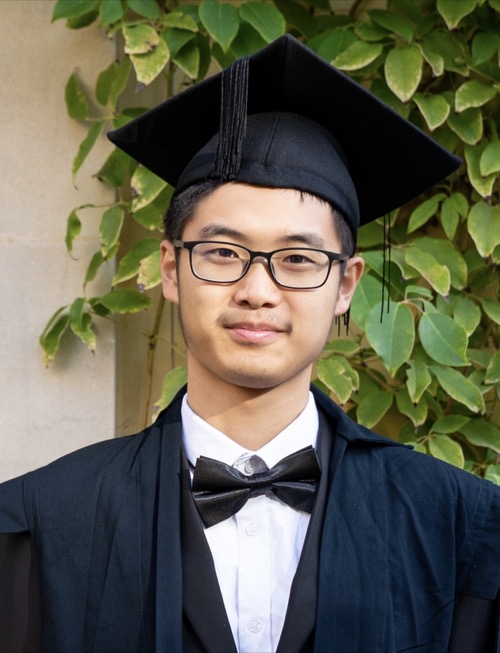
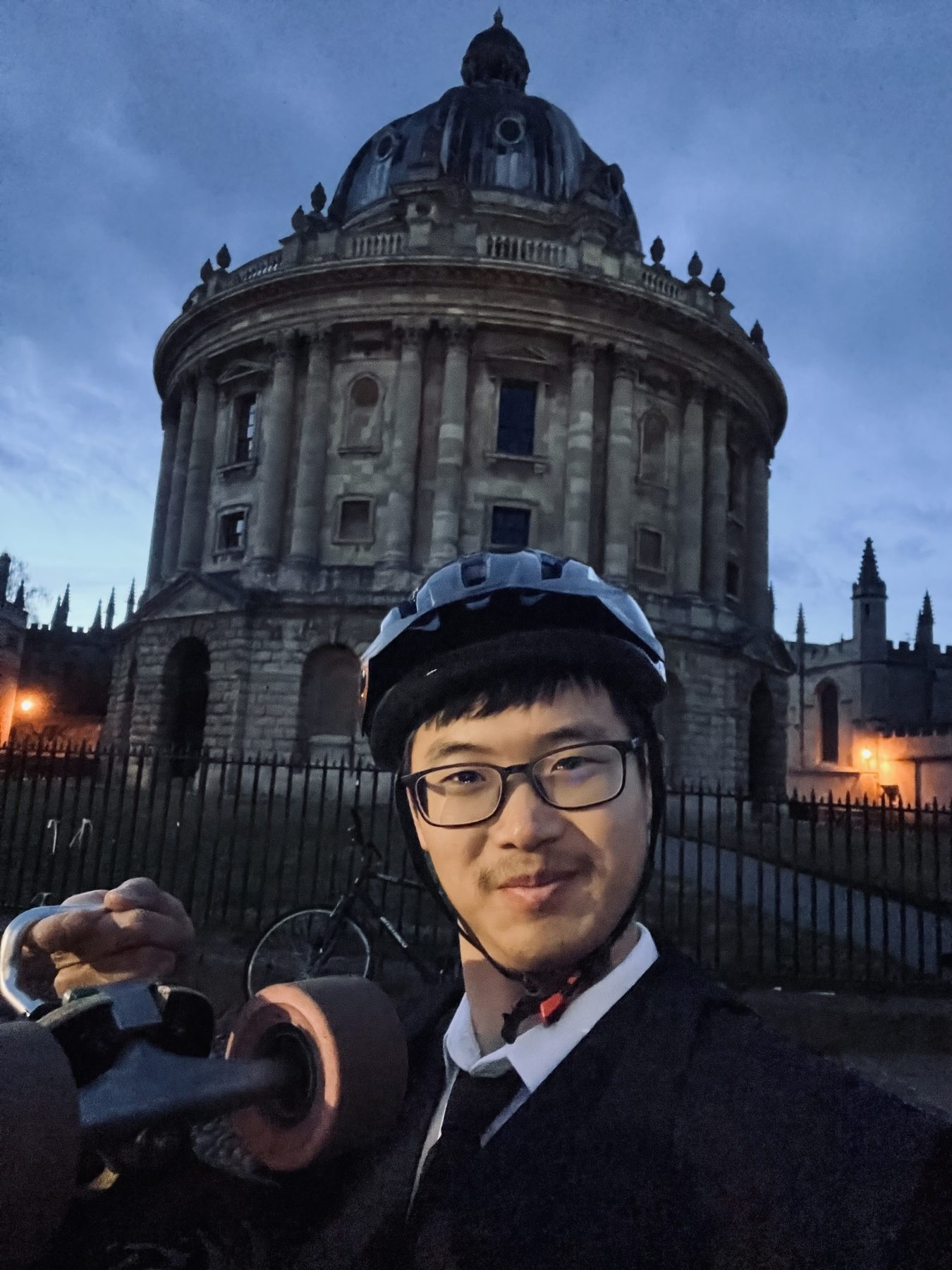
I am a PhD student in Mechanical and Aerospace Engineering (MAE)
at UC San Diego. I was trained as a mathematician, and my
research now lies
at the intersection of mathematics, control, artificial
intelligence, and robotics — on how intelligent systems
learn, act, and organize themselves.
Before joining UC San Diego, I received my BSc in mathematics from
the Chinese University of Hong Kong (Shenzhen) and an MSc with Distinction in
mathematics from University of Oxford.
I was trained in mathematics and now work between control,
artificial intelligence, and robotics, on how intelligent systems
learn, act, and organize themselves. Four threads run through it:
control of infinite-dimensional systems such as PDEs; how a
learning system can choose for itself what to study next; robots
whose behaviour follows their own survival rather than a human
task; and one architecture that holds network science, language
models, reinforcement learning, motion planning, and classical
control together instead of treating them as separate tools. Three
projects carry this into practice and run live on this site: a
language agent that has to work out how to walk a body it was told
nothing about, an autonomous investment research society, and a
conversation system that listens for where research comes from.
Conversation system · 2026 – present ·
live at chat.shzhang.com (login required)
A quiet place to talk: about research, about who to work with,
about everyday things. A model listens, keeps what is worth
pursuing as a written outline, and lets the rest go. The aim is
plain: better conversations, and a shorter path from an idea to
work worth doing.
Three complaints in passing — buses in threes, a jam
with no accident, the slowest queue — turn out to be one
question. The listener keeps that one and lets the rest of
the small talk go.
Embodied-agent experiment · 2026 ·
console at hexapod.shzhang.com (login required)
A language agent is sealed in a container and handed a body it
knows nothing about — a simulated hexapod reachable only
over HTTP — with a one-page datasheet and a single
instruction: stay alive. That it has six legs, how to stand, how
to walk, and that fruit stops the battery draining are all
things it must find out by experiment. There is no training. Its
workspace persists after it dies, so each new instance inherits
whatever the last one wrote down; the question is whether
experience compiles into files.
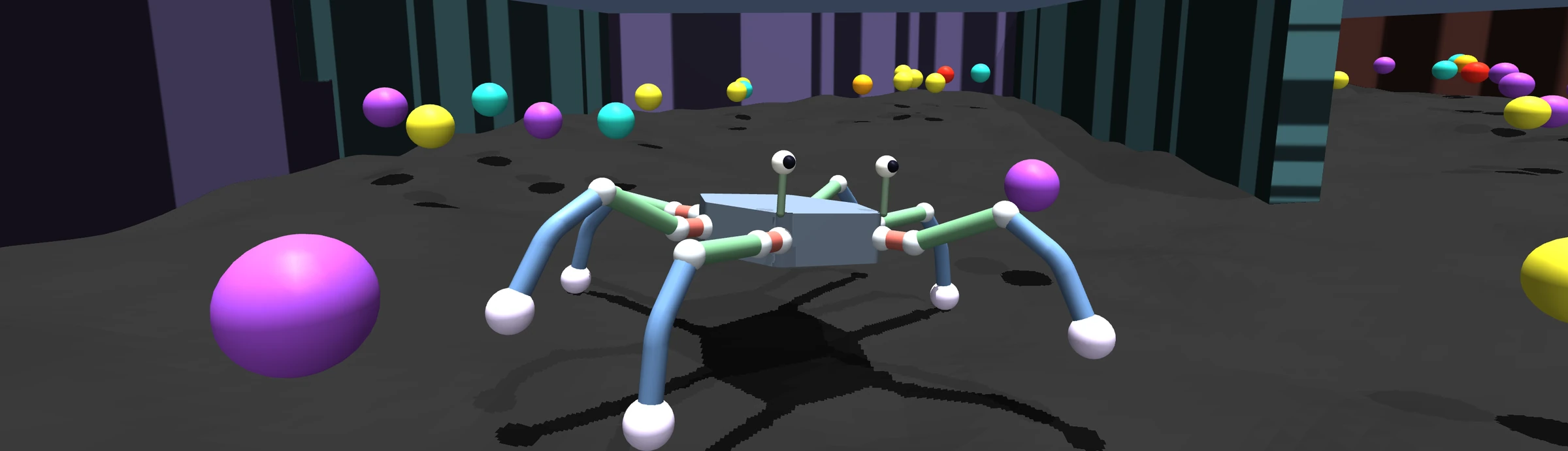
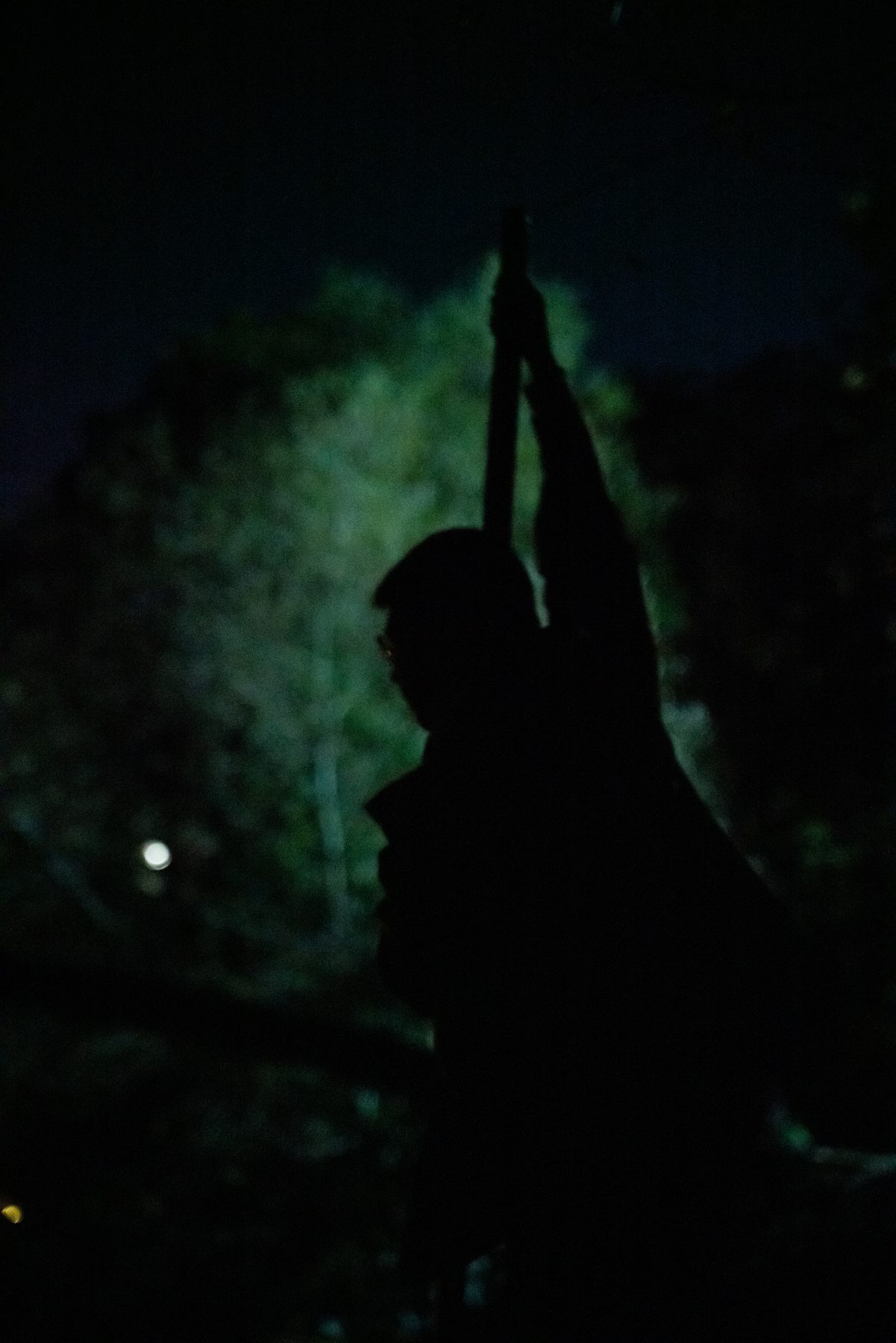
Run 3, life 22, mid-stride on the roughest ground any life
was given. A MuJoCo render replayed from the episode's ground
truth: the pose is logged, only the camera chosen. The two
stalks are its eyes.
Longview — An Autonomous Investment Research SocietyOpen site →
Multi-agent research system · 2026 – present ·
live at longview.shzhang.com (login required)
Four persistent identities — an actor, a critic, a steward
and a doctor — share one world graph and are built to
disagree, preserving the disagreement rather than resolving it.
They read primary filings rather than prices, and every claim
enters the graph as an edge with the document behind it: a
thesis is admitted only with the fact that supports it and the
filing that would falsify it. The horizon is deliberately long;
its only edge is time, not speed. Nothing here is advice, and
the system never trades.
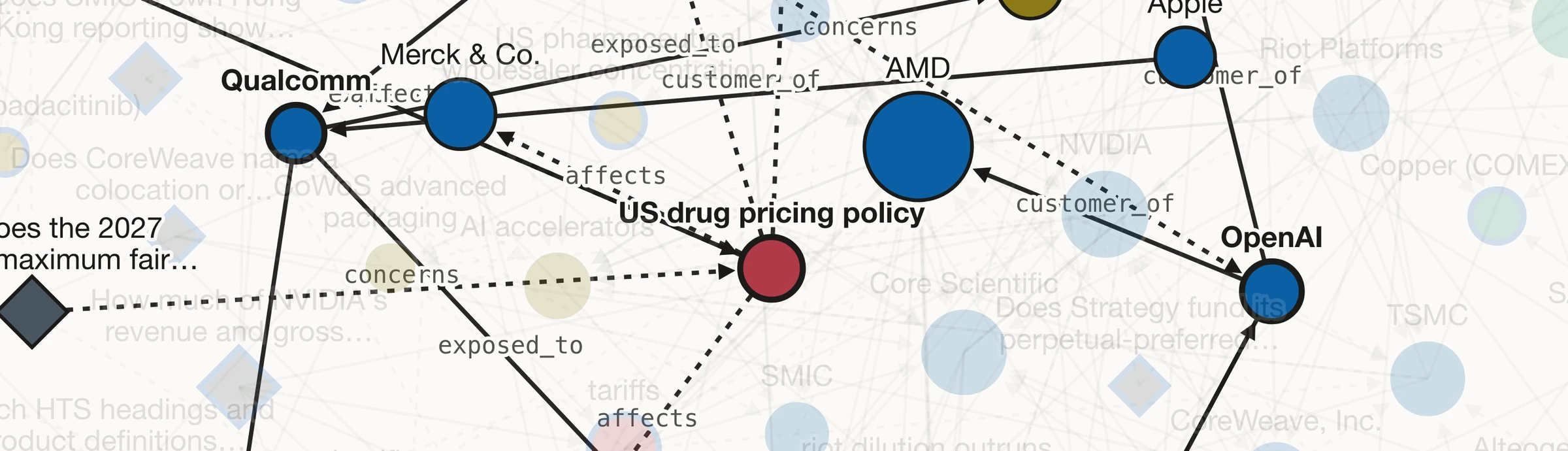
Three unrelated corners lit together — Qualcomm,
US drug pricing policy, OpenAI — each with the
edges it carries. Solid edges are evidence-backed, dashed ones
seeded and unverified. Behind them, the rest:
277 nodes,
467 edges.
Predictor Feedback for an Age-Structured Population Model with Input Delay
With Mamadou Diagne
and Miroslav Krstic
· UC San Diego ·
Accepted, 2026 IEEE Conference on Decision and Control
Stabilization of a nonlinear age-structured population model
whose control input — the dilution rate — reaches
the plant only after a pure delay. A normalized spectral
functional splits the PDE into a scalar amplitude ODE, the only
place the delay enters, and an autonomous integral delay
equation for the shape, which decays on its own. That cascade
admits a predictor state feedback; PDE backstepping and Lyapunov
analysis then give exponential stability of the closed loop,
with a decay rate explicit in the actuator delay.
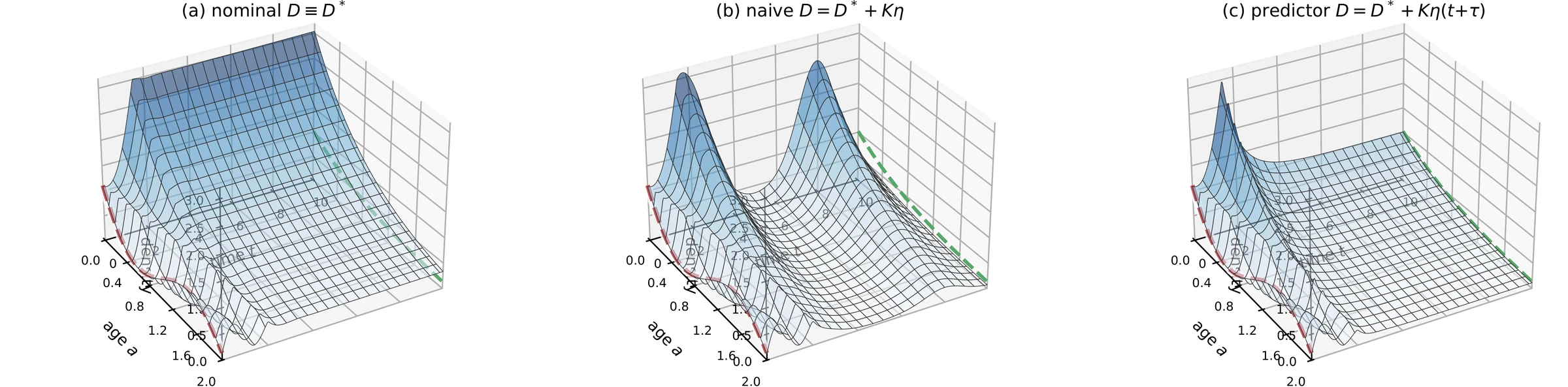
The population density
f(t, a) under actuator delay
τ = 1.5: (a) the nominal
control misses the equilibrium, (b) delay-blind feedback
oscillates, (c) the predictor settles onto
f*. Dashed red is the initial
profile, green the equilibrium.
Random Vortex Method for 2D Incompressible Flows
M.Sc. dissertation · University of Oxford · 2025
Supervised by Prof. Zhongmin Qian
A probabilistic numerical scheme for the two-dimensional
Navier–Stokes equations: vorticity is carried by random
vortex particles whose stochastic trajectories reproduce the
viscous flow, and velocity is recovered through the Biot–Savart
law. The dissertation develops the method on the unbounded plane
and then on domains with no-slip boundaries — a half-plane,
a corner, and an infinite belt.Read paper →
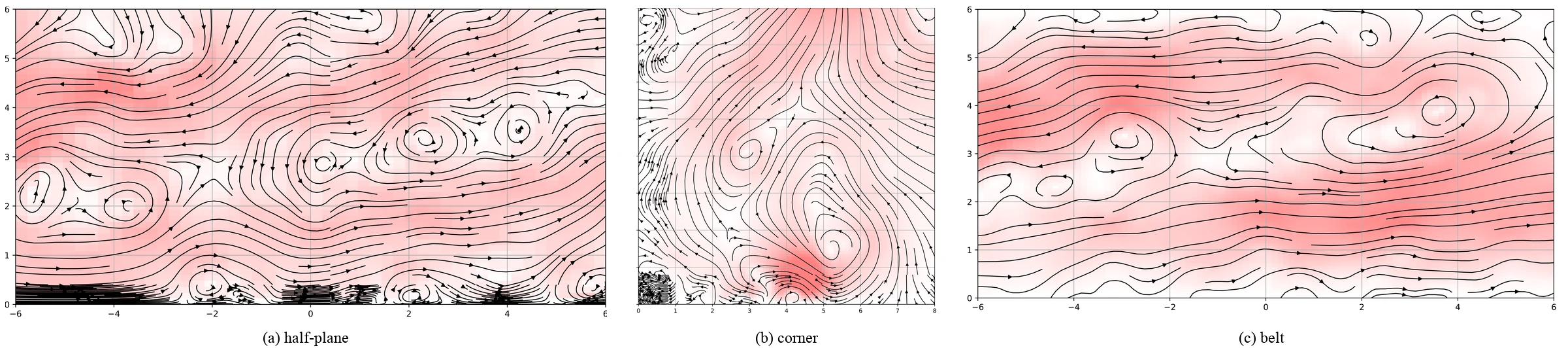
Streamlines and vorticity at t = 12
in the three wall-bounded geometries, reconstructed from the
random vortex particles: the upper half-plane and the corner
at ν = 0.1, the belt
ℝ × [0, 6] at
ν = 0.05.
Hierarchical Feature-Based Synthesis of a Brain Module
Network science research project · University of Oxford · 2025
A generative pipeline for synthetic brain networks built on the
Drosophila connectome. Flow-based community detection,
Hodge decomposition, PageRank centrality and Gaussian mixture
models are combined to reconstruct modules that preserve the
structural, spatial and hierarchical properties of the original
system — giving an interpretable null model against which
real connectomes can be tested.
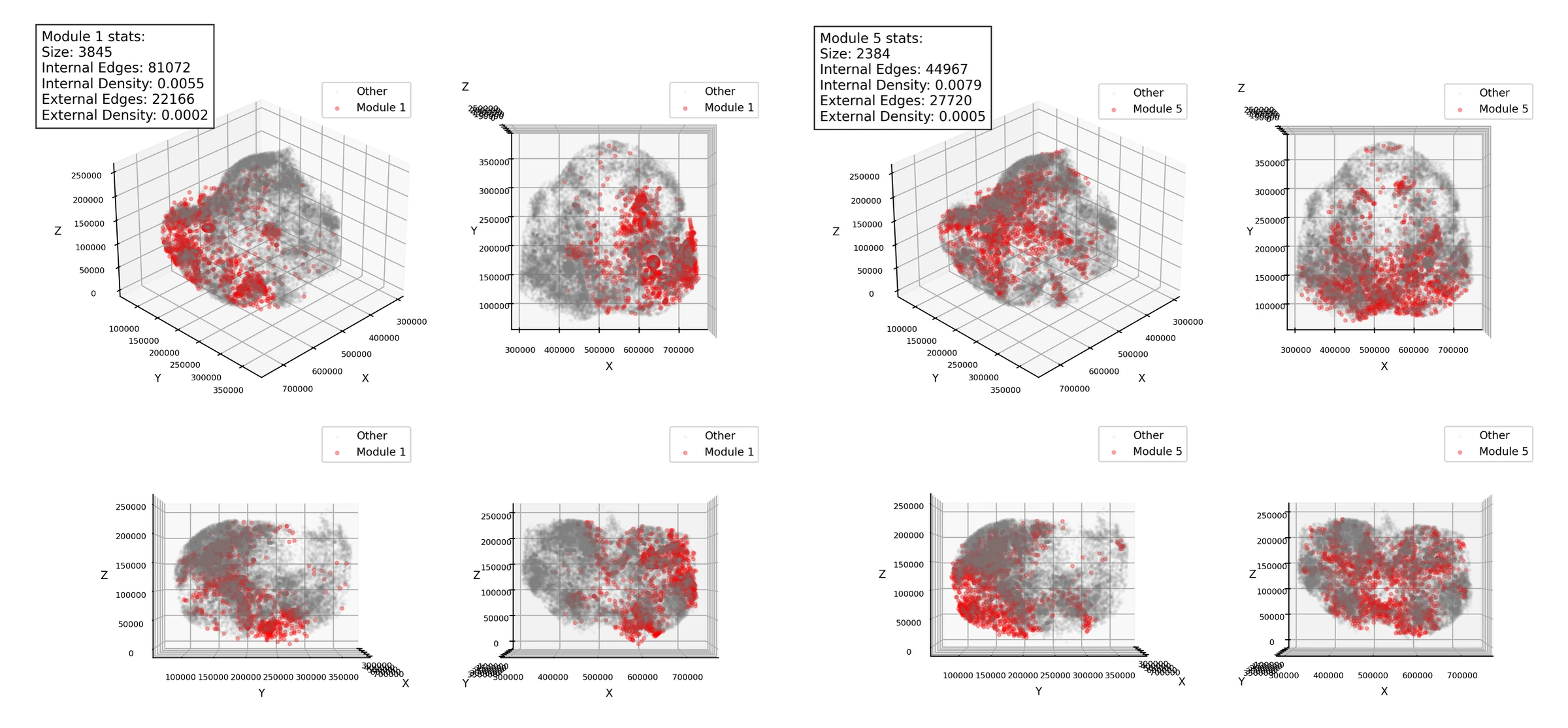
Three-view projections of two second-level Infomap modules
inside the fly brain. Module 1 (left) is asymmetric on its
own; Module 5 (right) is strongly bilaterally symmetric.
Film
I create documentary and creative films exploring themes of nature,
identity, and human experience.
Echos
Echos
2025 · Yunnan, China · Director, cinematographer, editor
An ethnomusicographic film set in the mountainous regions of
Yunnan Province, funded by the University of Oxford. Through
fieldwork, it explores how sound is intertwined with the land,
while reflecting on how economic development, cultural change,
and tourism shape these musical traditions.
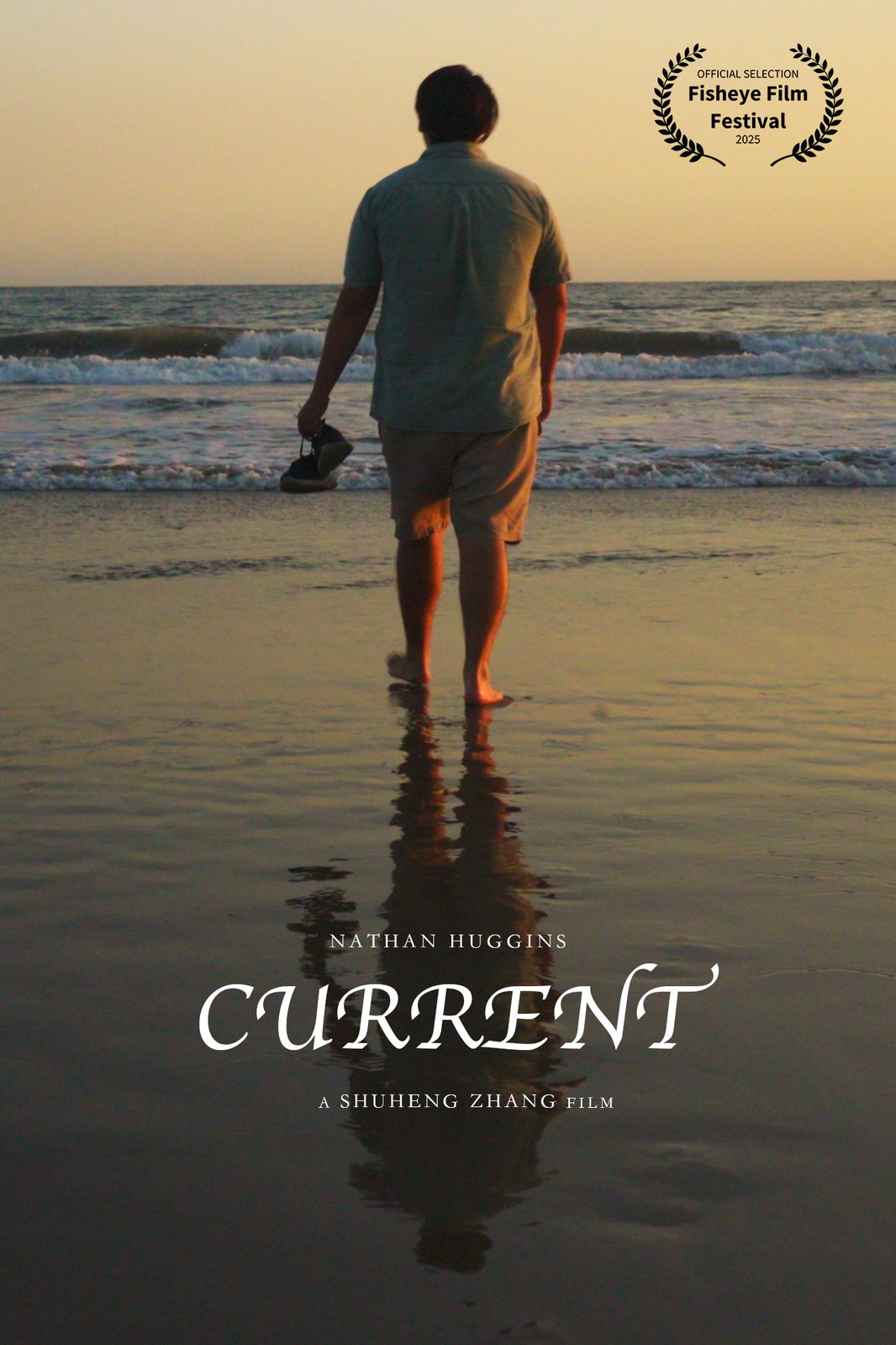
Current
2024 · Los Angeles, CA, USA · Director, producer, editor
A short documentary developed on behalf of the University of
Southern California, following the journey of an Uber driver
in Los Angeles and mirroring the filmmaker's own experiences.
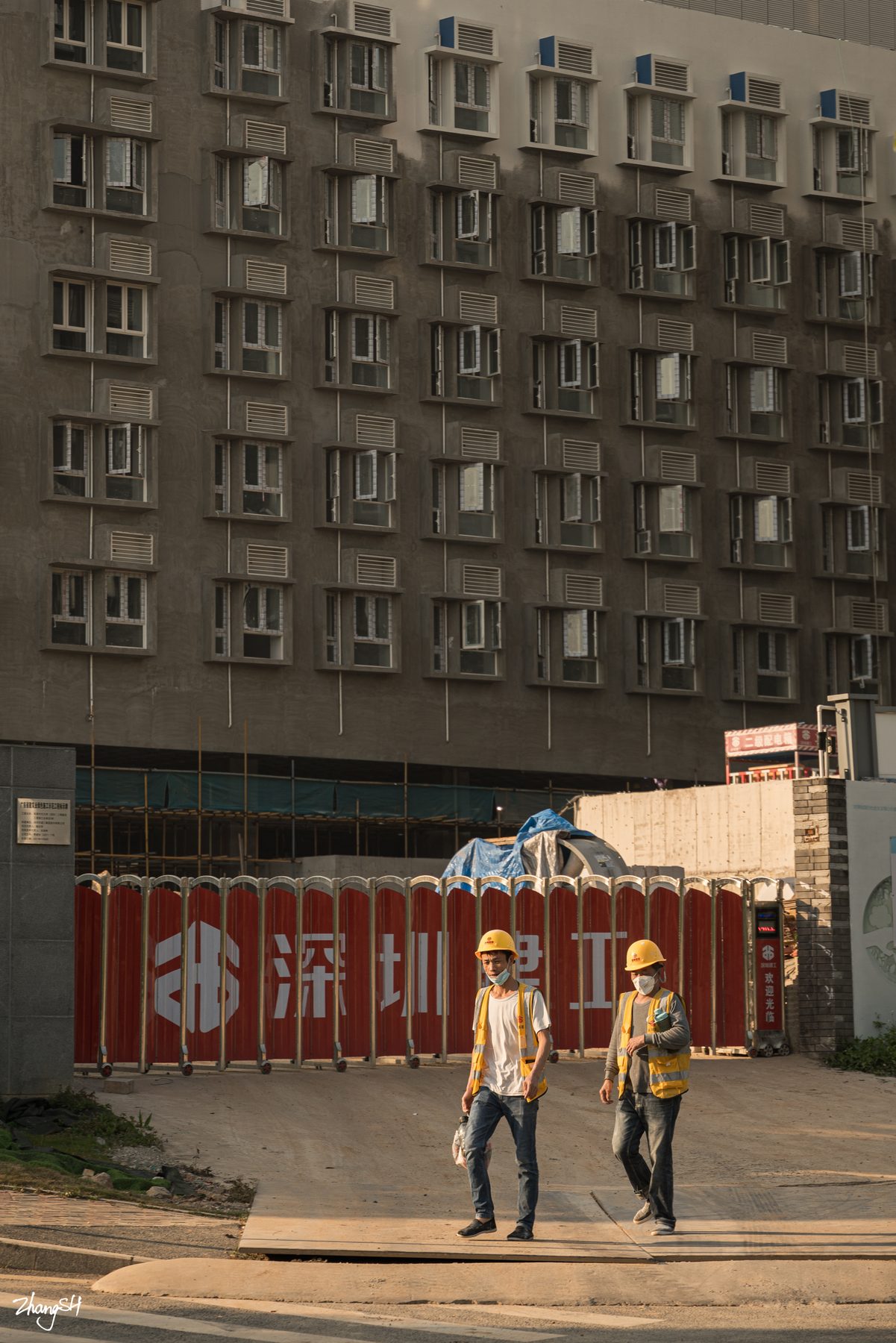
2022 · Shenzhen, China · Production manager, cinematographer, editor
A 17-minute award-winning documentary focusing on the lives of
construction workers building a university campus and drawing
attention to the shared space between students and workers,
experienced at different times.
When enough people believe an opinion, we call it truth.
Mathematics is no exception: proof became authority by persuading
everyone, and now a benchmark persuades too.
A piece that starts from age-structured equations and moves
toward a broader question: why living systems seem to learn so
effectively without ever being explicitly trained.
A playful essay about defining what a dumpling is, and about
the strange kind of imagination that can emerge from living and
thinking with mathematicians.
Life
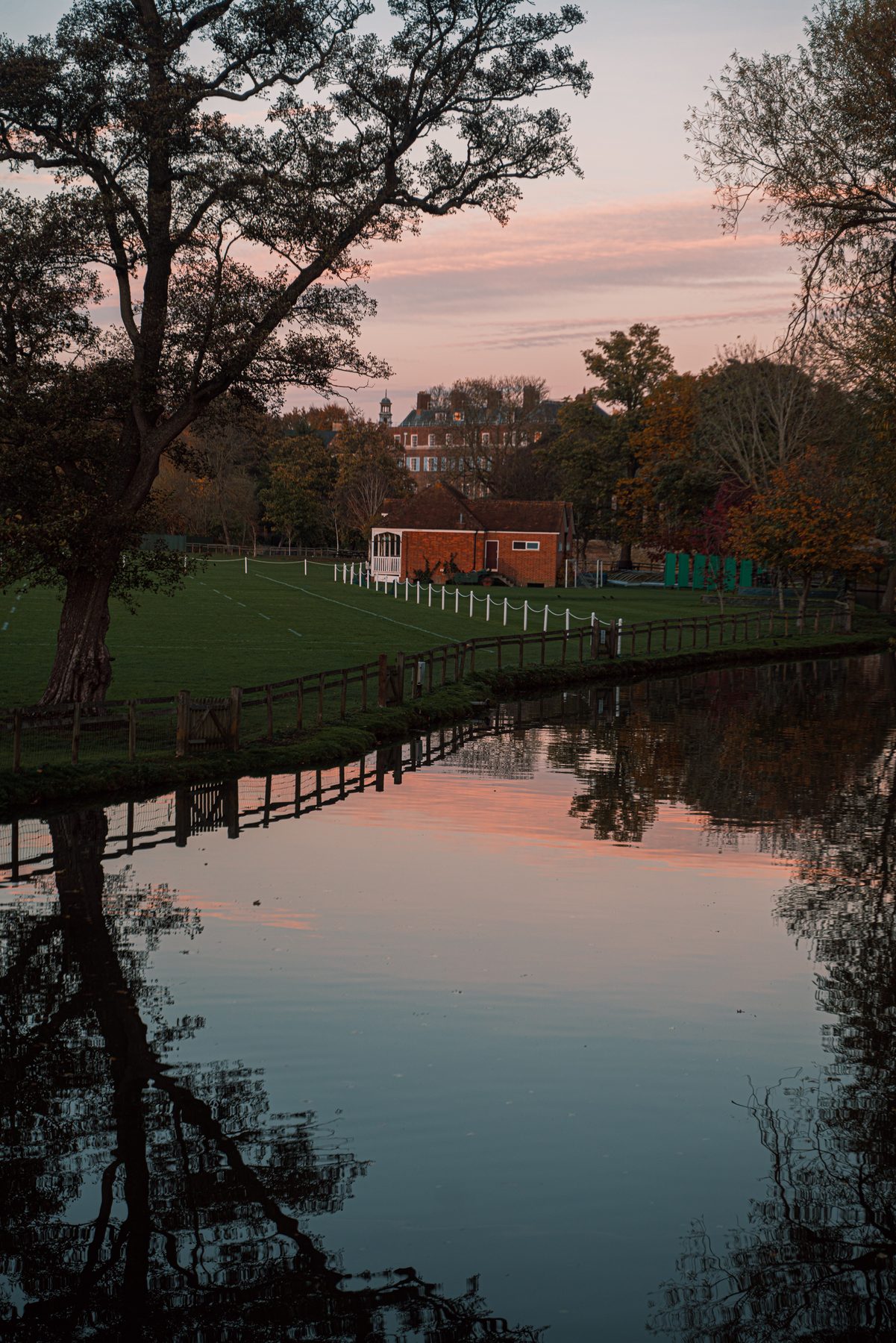
I am drawn to ways of living that are simple, intentional, and close
to the road, the landscape, and the rhythms of everyday work.
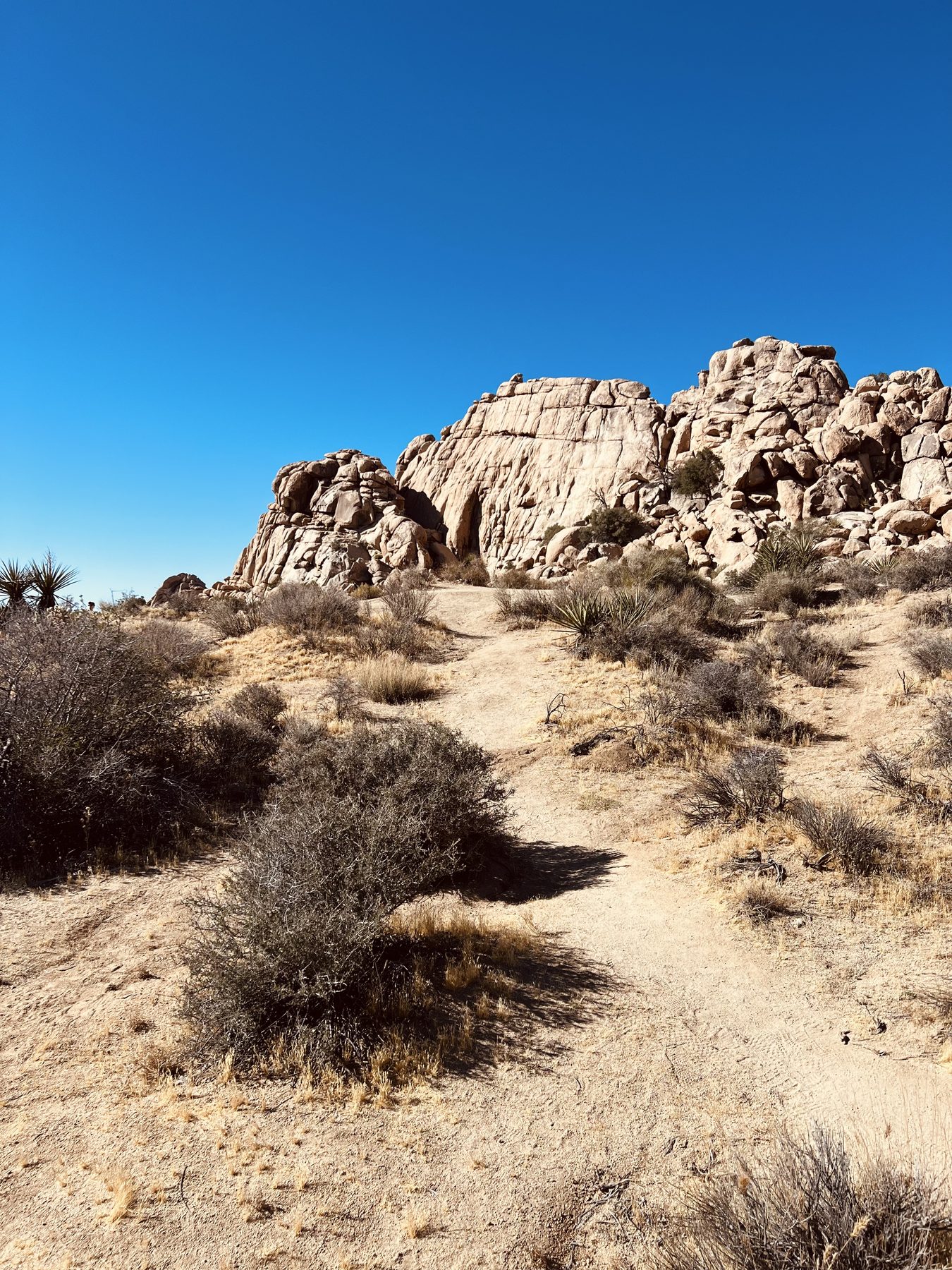
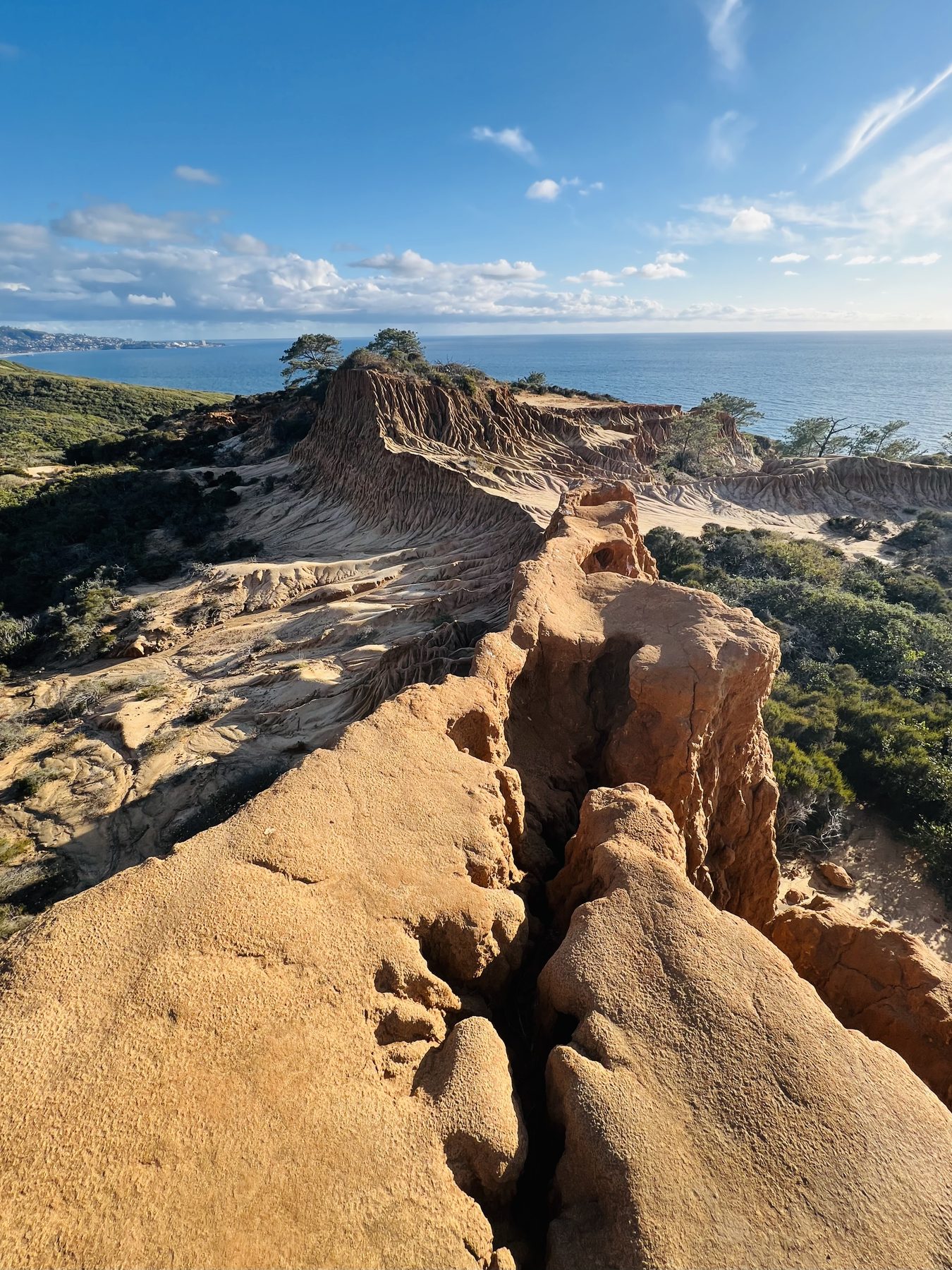
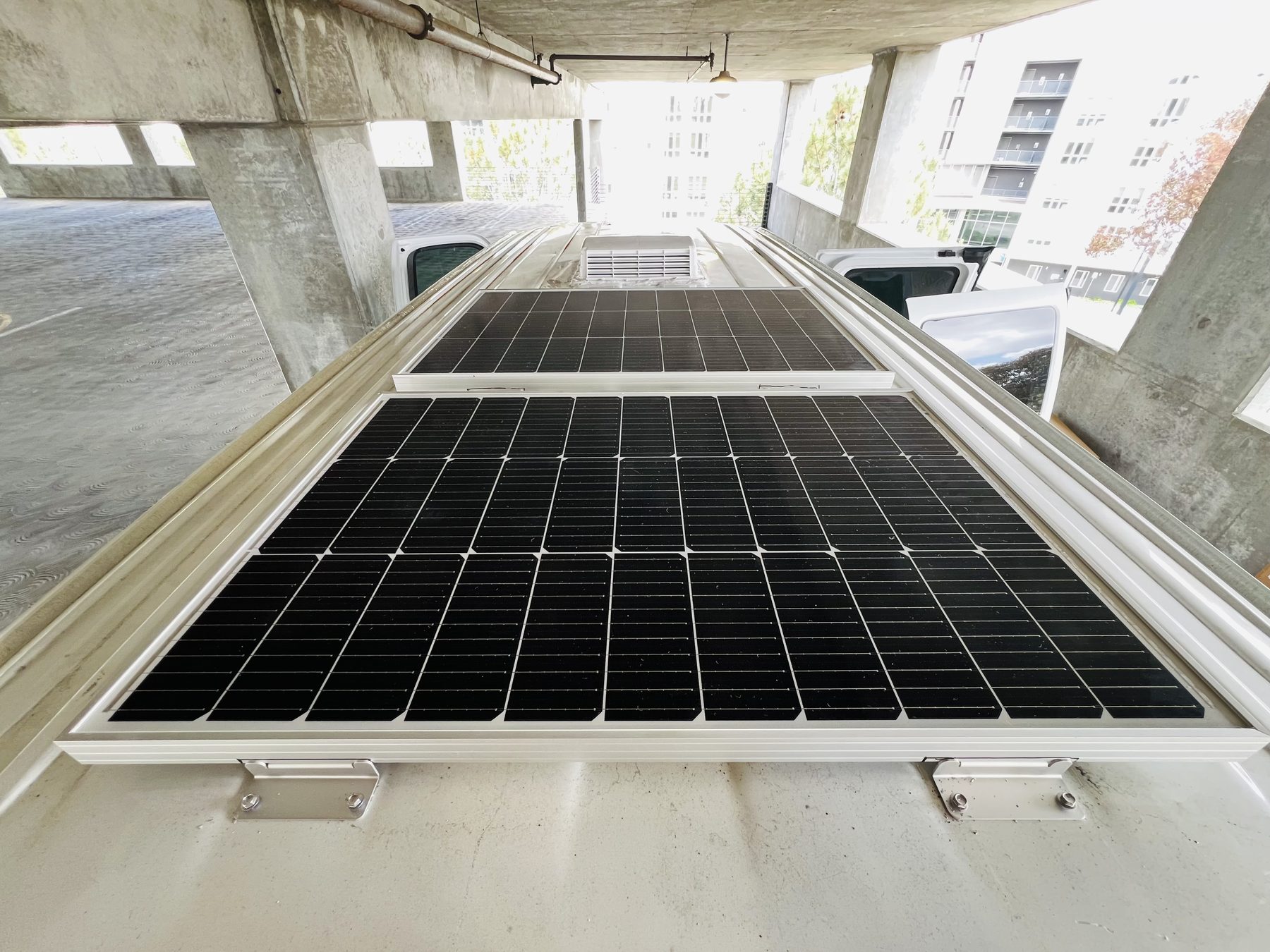
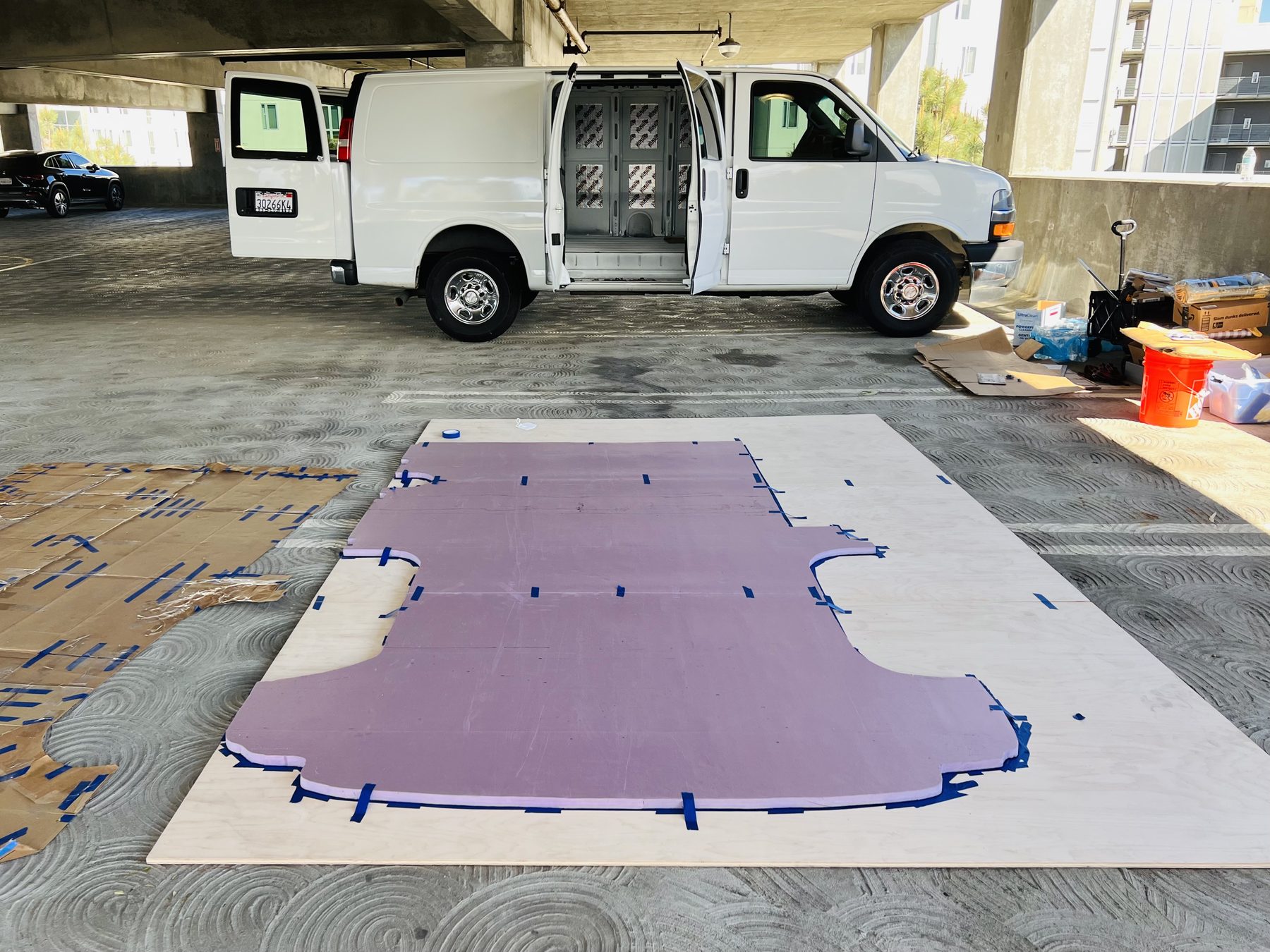
This part of the site holds van life, travel, and personal
reflections on community, friendship, and home.